An established rule of thumb for investing is to never put all your eggs in one basket. Tangible assets can be used to diversify your investment portfolio. This moneyland.ch guide gives you an overview.
Note: Stocks are also tangible assets. This article focuses only on those tangible assets that you can touch and invest in physically.
Precious metals
Precious metals have a reputation for being crisis-resistant assets. That is especially true of gold, but also of silver, platinum, and palladium. You can either buy physical precious metals, or invest in them indirectly – through an exchange-traded fund (ETF), for example. It is important to understand, though, that regardless of reputation, it is never possible to accurately predict future price developments.
Commodities
The commodities category of tangible assets is a highly heterogeneous one. Precious metals fall into this broader category, as do industrial metals like copper. Petroleum and natural gas are also commodities, as are basic foodstuffs and luxuries like coffee and cocoa.
Commodities form the basis of numerous industries, and that is not likely to change in the near future. The prices are driven by demand, with high demand for a commodity pushing its price upwards.
You can find useful information and answers to key questions in the guide to investing in commodities.
Diamonds and gemstones
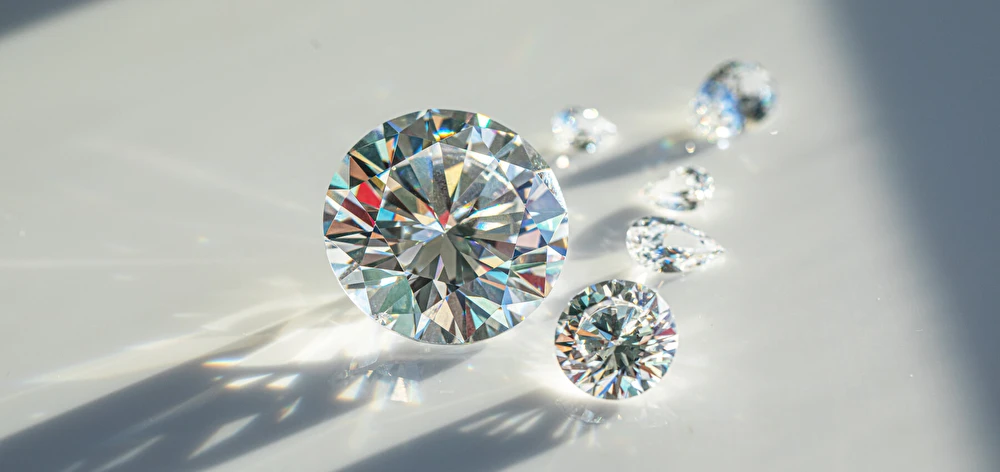
Diamonds, with their glittering allure, are considered by many to be a secure investment. Exceptional diamonds can fetch prices in the millions of francs. But investing in diamonds requires founded knowledge, as differentiating between rare diamonds and simpler stones or even fakes is very difficult for the untrained eye.
The guide to investing in diamonds explains what makes a diamond valuable, and what to pay attention to when investing.
In addition to diamonds, there are also other gemstones that are interesting from an investment perspective. The “big three” gemstones – rubies, sapphires, and emeralds – have traditionally enjoyed strong demand.
Investing in tangible assets: Pros and cons
When you invest your money, it is beneficial to spread it across many different kinds of assets. Tangible assets can be used to diversify your portfolio and reduce concentration risk. Stocks, in particular, make up the bulk of many investment portfolios. Reducing your exposure to the stock market, somewhat, can make sense.
But investing in tangible assets also comes with certain risks and disadvantages, on top of the risk of loss that comes with all investments. Many tangible assets are complex. What is more, the markets for some of these assets have very low liquidity. If you are forced to sell them on short notice, it can be difficult to get the price you want.
For many small investors, buying physical tangible assets is not a realistic option because of the large amounts of capital required. That is especially true for real estate, classic cars, fine art, and diamonds. These investors can invest indirectly through ETFs and other investment products. Some solutions enable you to buy shares of tangible assets, enabling you to participate in price developments even if you only have small amounts of capital to invest.
Real estate
While some people dream about owning their own home, others see real estate primarily as an investment. In either case, buying real estate in Switzerland requires very large amounts of capital. The prices of real estate have climbed steeply in recent decades, both in Switzerland and abroad. But for investors, there are alternative ways to invest in real estate without large amounts of capital. Examples include real estate ETFs and real estate crowdfunding solutions.
You can find more information in the guide to investing in Swiss real estate.
Wine
To certain people, wine is more than just an enjoyable drink. It is an investment. Highly-regarded vintages from prize-winning wineries, in particular, can gain value over the mid-to-long-term if stored correctly. Wines from France’s renowned Bordeaux and Burgundy wine regions sit at the center of the investment wine scene.
If you are interested in using wine as a store of value, you can find useful information in the guide to investing in wine.
Whisky
Whisky enjoys a strong following of gourmets. Enterprising investors see the spirit as a potentially-lucrative investment opportunity. Having a great deal of experience and expertise is normally a basic requirement for investing in whisky. Without it, telling valuable whiskies apart from regular batches can be very complicated. Proper storage is also essential.
You can get a good overview of things to consider in the guide to investing in whisky.
Art
The art market is also an investment market for some people. Wealthy collectors are ready to pay six-figure or even seven-figure sums for certain artworks. Investors who are good at finding up-and-coming artists early on can, in some cases, achieve high returns. But here too, a profound knowledge of the market is essential, and luck also plays a role.
Works of fine art are offered by numerous galleries and auction houses. Purchasing valuable works outright generally requires large amounts of capital. But there are also service providers that enable you to buy fractional shares in artworks so that you can participate in possible value growth.
Classic cars
If you know a lot about classic cars, you may be able to turn your passion into money. Just be aware that investing in classic cars requires relatively large amounts of capital, and in-depth knowledge of both cars and the classic car market. Not all old cars have potential to gain value.
You can find the most important information and useful tips in the guide to investing in classic cars.
Watches
Certain timepieces shine both on your wrist, and on the secondary market. The period surrounding the corona pandemic, in particular, saw the prices of specific luxury watches explode. If you are considering investing in timepieces, you should first take the time to learn about the market. Buying pieces that have potential to go up in value requires a substantial outlay of capital.
The guide to investing in watches provides useful information on the topic.
Other collectibles
There are many other tangible assets that can be an investment in some cases. These include various collectibles with potential to gain value. Examples include sought-after postage stamps, designer furniture, sports cards, and gaming cards. But having an in-depth knowledge of the specific market for the items in question is highly advisable.
Disclaimer: This article is provided for informative purposes only, and should not be seen as investment advice. The publishers do not accept any liability in connection with this publication.
More on this topic:
Compare Swiss stockbrokers now
How to invest money in Switzerland
Investment returns for stocks, bonds, and other assets: How much is realistic?
How to cut the cost of investing